
St. Louis storms don’t mess around. One minute it’s sunny, the next you’ve got hail bouncing off the deck and the power’s out for six hours. Once the lights come back on, most of us do the same thing: bump the thermostat down and wait for cool air.
But your air conditioner just went through the same electrical chaos your house did — and cranking it back on without a quick check can turn a minor storm inconvenience into an expensive repair. Before you rely on your AC after the next outage, walk through this checklist first.
1. Wait Before You Flip It Back On
If the power just came back, give it a few minutes before switching your AC back on — especially if your neighborhood lost power. When electricity is restored, there’s often a surge as everyone’s systems power up at once. Letting your system sit for 5-10 minutes before running it gives voltage a chance to stabilize and reduces strain on the compressor.
If your thermostat has a built-in delay (many modern ones do), let it do its job rather than forcing a restart.
2. Check the Breaker
Head to your electrical panel and confirm the breaker for your AC hasn’t tripped. If it has, that’s often a sign the system experienced a power surge or a short — reset it once, but if it trips again, stop and call a technician rather than resetting it repeatedly.
3. Inspect the Outdoor Unit for Storm Damage
Your condenser unit lives outside, which means it takes the brunt of any storm. Walk out and look for:
- Fallen branches, debris, or hail damage on or around the unit
- Bent or damaged fins on the coil (these look like small metal slats and bend easily)
- Standing water around the base of the unit
- Anything unusual leaning against or resting on top of the unit
If you see hail dents or bent fins, don’t panic — minor cosmetic damage usually isn’t urgent. But a coil that’s significantly crushed can restrict airflow and hurt efficiency, so it’s worth a professional look.
4. Listen and Smell Before You Trust It
Once you do turn the system on, pay attention to your senses for the first few minutes:
Unusual noises — grinding, buzzing, or clicking can point to a damaged capacitor or motor, both common casualties of power surges.
Burning smell — if you smell anything electrical or burnt, shut the system off immediately and call for service. Don’t try to run it “just to see.”
No response at all — if the outdoor unit isn’t kicking on but the indoor blower is running, that’s a classic sign of a blown capacitor, one of the most common storm-related AC repairs.
5. Check for Water Instrusion
Heavy storms can drive water into places it shouldn’t be, especially around outdoor electrical components. If your area flooded or you had significant water pooling near the unit, don’t power it on until it’s had time to dry out or been checked by a technician. Running electrical components while wet risks a short circuit.
6. Confirm Your Thermostat Reset Correctly
Smart thermostats sometimes lose their schedule or Wi-Fi connection during an outage. Double check that your settings, schedule, and mode (cool vs. heat) are correct — it’s a small thing, but it’s an easy way to end up running the wrong mode or fighting your system unnecessarily after a storm.
7. Watch Your System Over the Next 24 Hours
Even if everything looks fine on the surface, keep an eye on performance over the following day. Signs something’s off include:
- The house isn’t cooling like it normally does
- The system is running constantly without reaching your set temperature
- Your energy usage spikes unexpectedly
Surge damage doesn’t always show up immediately — sometimes a stressed component fails hours or days later.
When to Call a Professional
A quick DIY check covers the basics, but some issues aren’t visible from the outside. If you noticed a tripped breaker, heard strange noises, smelled anything burning, or your AC just isn’t performing the way it should after a storm, it’s worth having a technician check it out.
Air Comfort Service is here to help. After severe weather rolls through, our team offers AC checks to catch surge damage, loose connections, or debris issues before they turn into a full system failure. Give us a call or schedule an appointment online, and we’ll make sure your system is safe and ready to keep your home cool.
Have Air Comfort Service inspect your air conditioner after St. Louis area storms.
Why Inspect Your AC After a Storm?
Don’t wait for minor problems to turn into major headaches. Protect your investment with a professional storm damage inspection.
Severe weather can leave hidden damage that worsens over time. Here’s why acting quickly matters:
- Insurance Claims*
If your air conditioner was damaged by storms, you will want to document the damage and any repairs or replacements for an insurance claim. Act quickly and use a reputable local ac company like Air Comfort Service
- Hail Damage
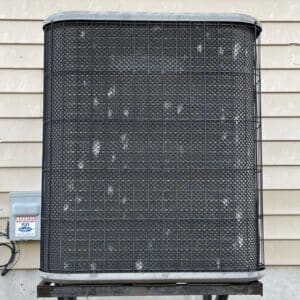
Hailstones can dent and damage the outdoor condenser unit. Damaged fins can limit airflow and reduce efficiency. This can even stop your AC from working completely.
- Wind Damage
High winds can blow debris into your AC unit, damaging critical components or clogging fan blades and coils. Connections and other components can also be damaged or disconnected by high winds.
- Falling Trees or Branches
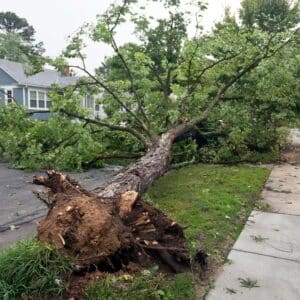
Heavy storms can knock down trees and branches that might strike your AC unit, causing structural damage.
- Power Outages
Power surges caused by outages can burn out essential electrical components in your AC system.
Air Comfort Service is ready to help.
Our St. Louis-based AC professionals are trained to spot storm-related damage early, ensuring your system runs smoothly as summer heats up. Here’s what we do during your inspection:
- Assess physical damage from hail, debris, and wind.
- Test components impacted by power outages or surges.
- Provide documentation to support your insurance claim.
- Offer repair solutions to prevent additional damage.
Schedule Your AC Inspection Today - FAQs About Storm Damage to Your Air Conditioner
Severe weather like hail, high winds, and falling debris can physically damage external and internal parts of your AC. Power outages can also cause electrical issues.
Signs include strange noises, reduced cooling efficiency, dents on the external unit, or visible debris lodged around your AC system.
Hail can bend the fins of your condenser or puncture the coil system, reducing performance or causing it to stop working entirely.
Yes! Acting quickly ensures damage doesn’t worsen and helps with filing insurance claims while the damage is fresh.
Unaddressed storm damage can lead to reduced efficiency, higher energy bills, and costly repairs down the road.
Why Choose Us?
- Local Experts - Proudly serving the St. Louis area with over 56 years of storm damage repair experience.
- Rapid Response - We know how hot St. Louis summers get. We’ll inspect and repair your AC quickly! We also offer 24/7 emergency AC service.
- Reliable Customer Support - Our award-winning team of technicians and local customer service experts are standing by to help you through the AC repair process, give you all the information you need to make an informed choice on repair or replacement, and provide you with five-star service.
Don’t risk a broken air conditioner this summer. Ensure your comfort and save on repair costs by getting your AC inspected today!
*There are many variations and nuances to insurance policies. This guide is not intended to give legal or insurance advice and is merely a collection of best practices. Consult with your insurance provider for more information.